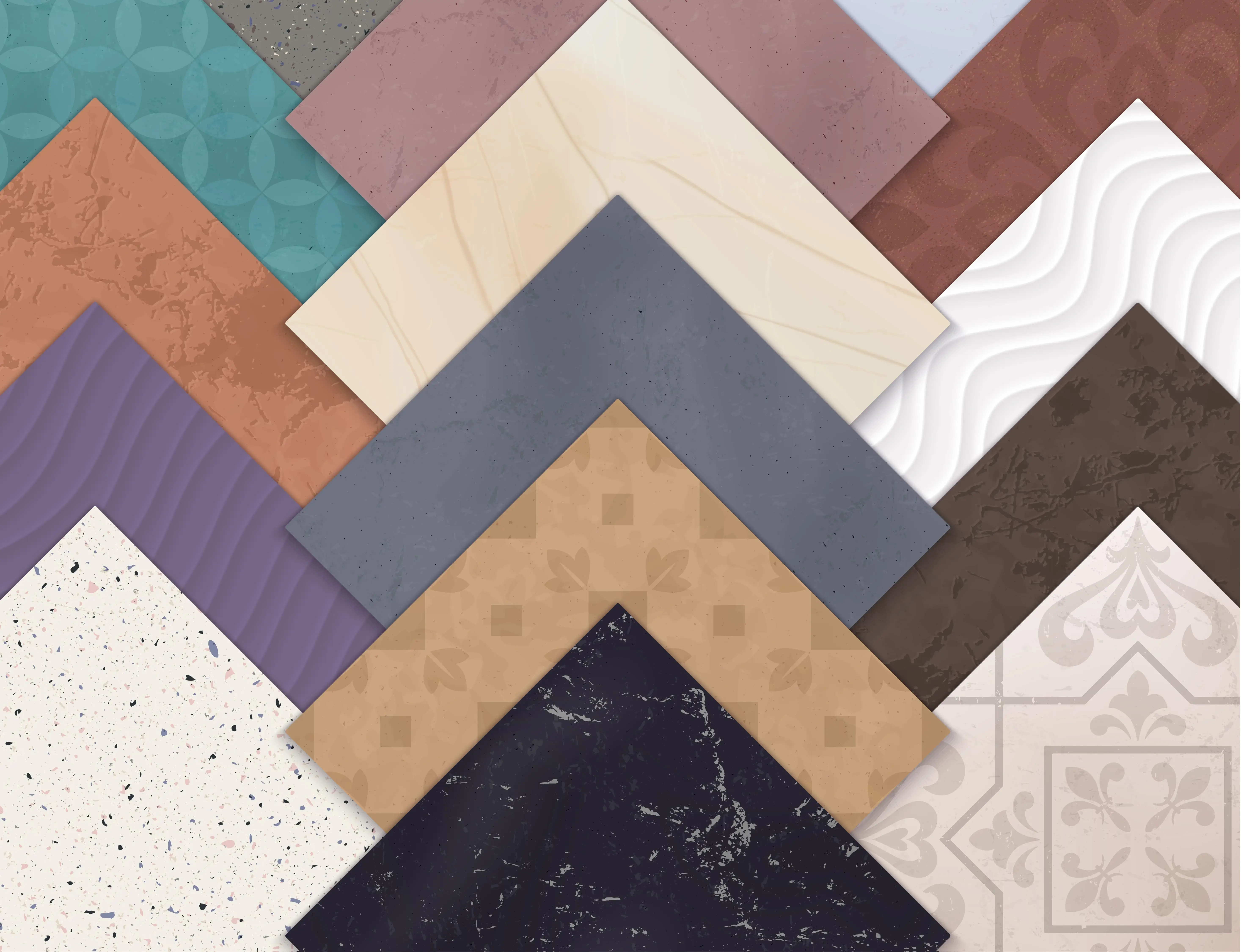
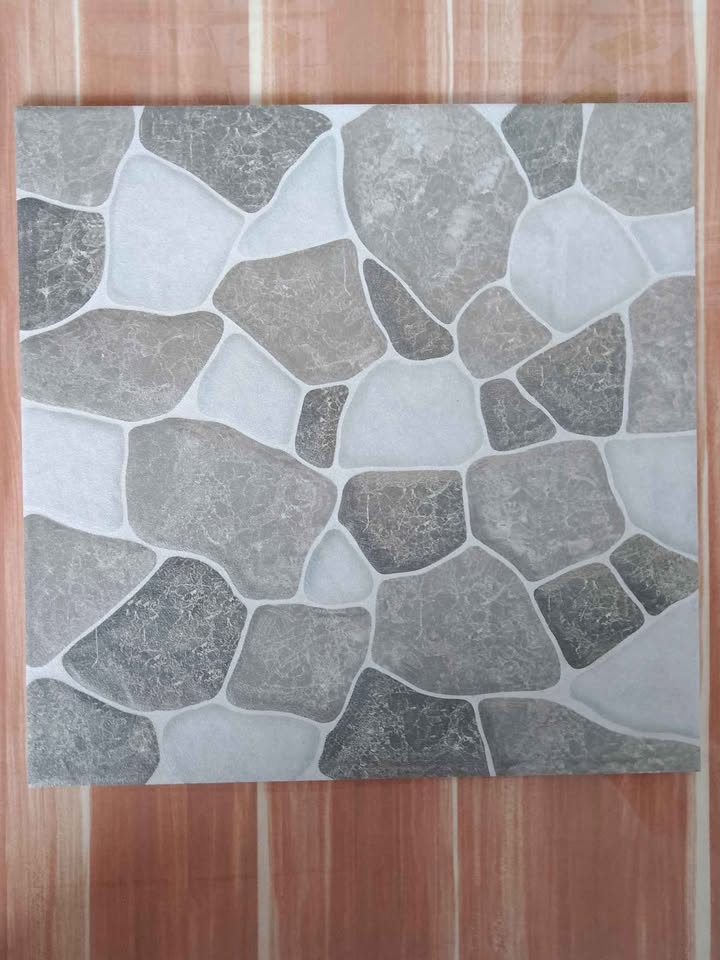
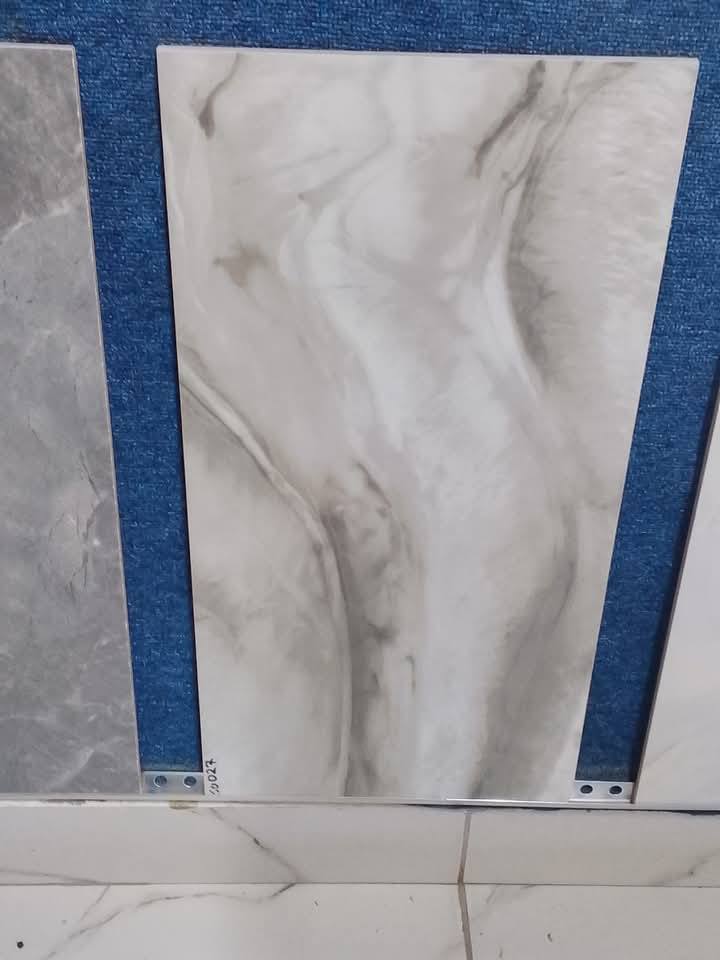
The cost of tiling a 3 bedroom house in Kenya depends on floor area, tile choice and labour, and this guide prices each part. Raising the structural walls happens quickly, but installing floors and wall cladding requires significant capital.
A common mistake developers and homeowners make is calculating the budget based solely on the price of the tile box, ignoring the necessary consumables and labor that make up nearly 40% of the final cost.
At Tiles Market, we see clients under-budgeting daily. They forget to account for skirting, wastage, cement, and the rising rates of professional installation.
This guide provides a realistic, itemized breakdown of the actual cost to tile a standard 3-bedroom bungalow or apartment in Nairobi using current 2026 market rates. We will analyze two scenarios: an Economy Finish (using standard ceramics) and a Premium Finish (using porcelain and wood-effect tiles).
Step 1: Defining the "Standard" 3-Bedroom House Area
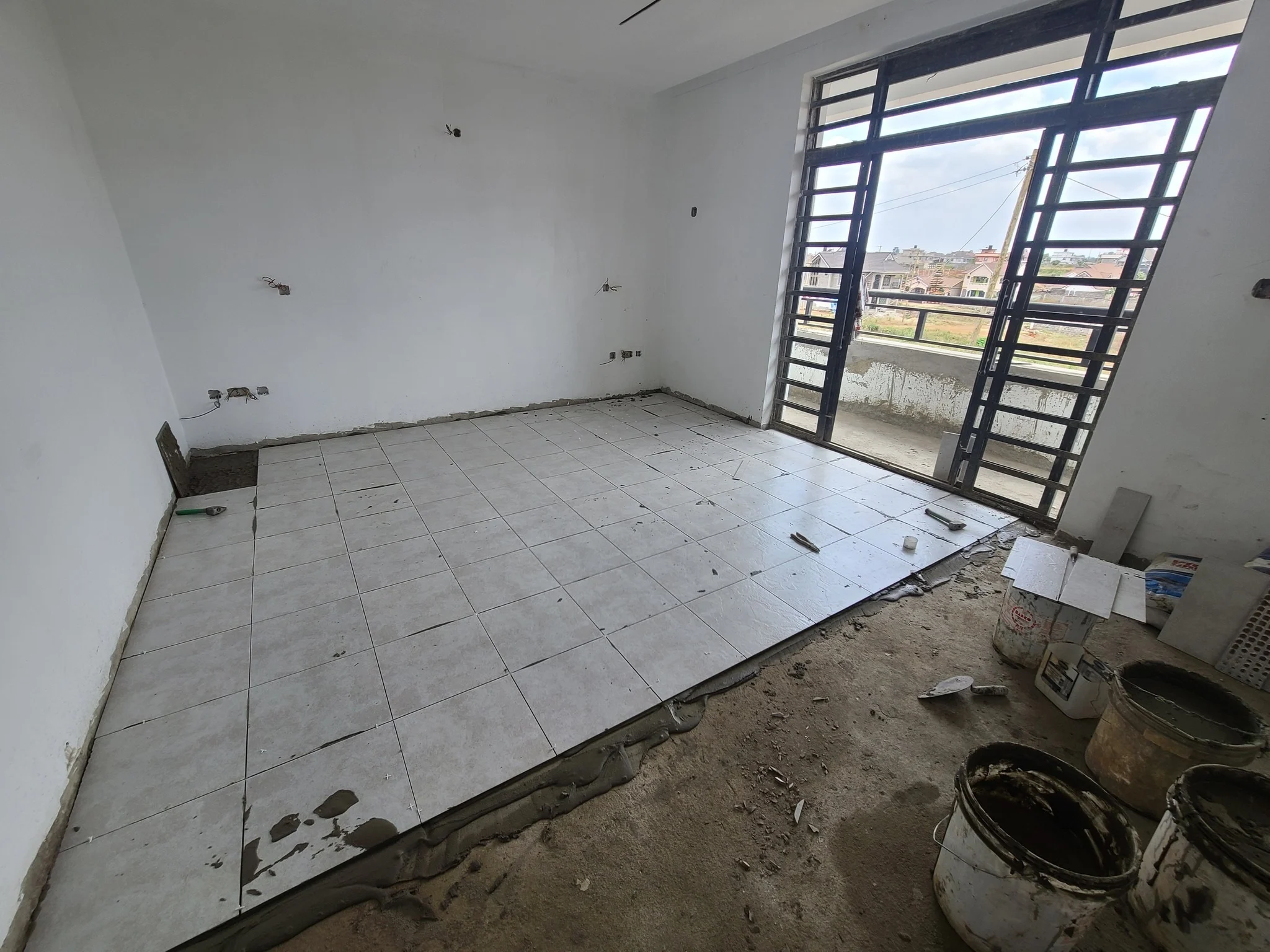
To provide an accurate quote, we must first establish the scope of work. A typical 3-bedroom residential unit in Kenya usually measures between 100 and 120 square meters of floor area. However, the "tiling area" is always larger than the "floor area" because you must account for bathroom walls, kitchen backsplashes, and skirting.
Here is the breakdown of the tiling surface area for a standard unit:
- Living Room & Dining: Approx. 35 sqm.
- Master Bedroom: Approx. 18 sqm.
- Two Standard Bedrooms: Approx. 24 sqm (12 sqm each).
- Kitchen Floor: Approx. 12 sqm.
- Corridors/Hallways: Approx. 6 sqm.
- Bathrooms (Floor): Approx. 8 sqm (Total for 2 bathrooms).
- Bathroom Walls (Cladding): Approx. 25 sqm (Tiling up to 2.1m height).
- Kitchen Walls (Backsplash): Approx. 15 sqm.
Total Estimated Tiling Area: Approximately 143 Square Meters.
The "Wastage Factor" Rule
Professional tilers (Fundis) will never order the exact measurement of the room. You must purchase extra tiles to account for cuts, breakages during transport, and off-cuts at the edges of the room.
The Industry Standard:
- Straight Lay (Grid pattern): Add 10% to your measurements.
- Diagonal Lay (Diamond pattern): Add 15% to your measurements (this style creates more waste).
For this estimate, we will apply a standard 10% wastage factor, bringing our purchasing requirement to roughly 158 Square Meters of tiles.
Step 2: Cost of Tiles (Material Breakdown)
The price of the tiles themselves is the largest variable in your budget. In 2025, the gap between "standard" and "luxury" tiles has widened. We have created two realistic budget scenarios based on current wholesale prices at Tiles Market Kenya.
Scenario A: The Economy Budget (Ceramic Finish)
This option uses heavy-duty ceramic tiles. It is durable, practical, and ideal for rental units or budget-conscious homeowners.
- Living Areas & Bedrooms: 40x40cm Standard Ceramic (@ Ksh 950/sqm).
- Bathrooms & Kitchen Floor: 30x30cm Non-slip Ceramic (@ Ksh 950/sqm).
- Wall Cladding: 25x40cm Standard Wall Tiles (@ Ksh 900/sqm).
Estimated Material Cost: For 158 sqm of ceramic tiles, the cost averages roughly Ksh 140,000 - Ksh 155,000.
Scenario B: The Premium Budget (Porcelain & Wood Effect)
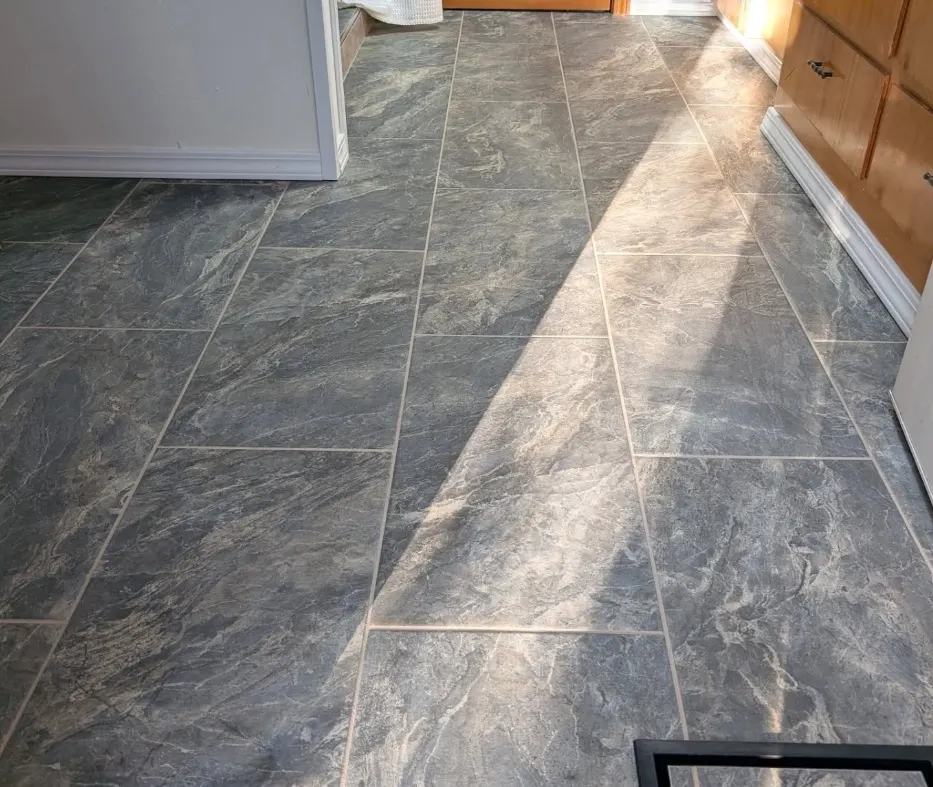
This option upgrades the finish to modern standards, increasing property value and longevity.
- Living & Dining: 60x60cm Full Body Porcelain (@ Ksh 1,800/sqm).
- Bedrooms: Ceramic Wood-Effect Planks (@ Ksh 1,400/sqm).
- Bathrooms: 30x60cm Glazed Porcelain (@ Ksh 1,600/sqm).
- Kitchen Backsplash: Subway or Mosaic Tiles (@ Ksh 1,500/sqm).
Estimated Material Cost: For 158 sqm of mixed premium tiles, the cost averages roughly Ksh 240,000 - Ksh 260,000.
Step 3: The "Hidden" Consumables (Adhesive & Grout)
A common budgeting error is assuming you only need to buy the tiles. To install them, you need bonding agents and finishing materials. The type of bonding material depends entirely on the tile you chose in Step 2.
Tile Adhesive vs. Cement ("Simiti")
If you chose Ceramic tiles (Scenario A), you can use a mix of standard cement and sand. This is the cheapest method. However, if you chose Porcelain tiles (Scenario B), you must use Tile Adhesive (e.g., Savannah, Sika, or similar). Porcelain is non-porous and will not stick to normal cement; it will pop off within a year if installed incorrectly.
- Adhesive Cost: A 25kg bag of adhesive covers approximately 4-5 square meters. For a 3-bedroom house, you will need roughly 30-35 bags. At Ksh 650 per bag, budget approx Ksh 20,000 - 25,000.
- Cement & Sand Cost: For ceramic installation, budget approx Ksh 12,000 - 15,000 for cement bags and a lorry of sand.
Grout and Spacers
The lines between tiles need to be filled with grout. For a whole house, you will typically consume 20-25kg of grout depending on the spacing width.
- Grout Cost: Approx Ksh 150 per kg. Total: Ksh 3,000 - 4,000.
- Tile Spacers: To achieve straight lines, fundis use plastic spacers (2mm or 3mm). Budget Ksh 1,000 for several packets.
Don't Forget the Skirting
Skirting protects the bottom of your walls from mop water and shoe scuffs. While some people buy ready-made PVC skirting, the Kenyan standard is to cut the floor tile into 10cm strips. This increases your tile usage. Ensure your tiler calculates this cutting waste into the total number of boxes ordered.
Step 4: Labor Costs (Fundi Rates 2025-2026)
Labor is the second largest expense in your budget. In Kenya, professional tilers (fundis) almost exclusively charge per Square Meter, not per day. This benefits you, as it encourages speed, but you must ensure the quality remains high.
Rate per Square Meter
The rate a tiler charges depends heavily on the type of tile you are installing. Porcelain tiles are much harder to cut and require specialized diamond blades and leveling clips to ensure a flat finish, whereas ceramic tiles are easier to work with.
- Standard Rate (Ceramic Tiles): Ksh 350 - Ksh 500 per square meter.
- Premium Rate (Porcelain / Large Format): Ksh 600 - Ksh 800 per square meter.
The Cost of "Cheap" Labor
It is tempting to hire a general mason who offers to tile for Ksh 250/sqm. We strongly advise against this. Tiling requires specific leveling skills. A poorly installed floor will sound "hollow" when walked on and tiles will eventually crack or pop up. If you are spending Ksh 250,000 on premium porcelain materials, paying an extra Ksh 100/sqm for an expert installer is the best insurance policy for your investment.
Total Labor Estimate: For a 143 sqm job, budget between Ksh 50,000 (Basic) and Ksh 115,000 (Expert Porcelain).
Step 5: Total Project Cost Summary
Combining the costs of materials, consumables, labor, and transport, here is the final estimated budget for tiling a standard 3-bedroom house in Nairobi in 2025.
| Expense Category | Economy Estimate (Ceramic) | Premium Estimate (Porcelain) |
|---|---|---|
| Tiles (Floor & Wall) | Ksh 145,000 | Ksh 255,000 |
| Bonding (Cement/Adhesive) | Ksh 15,000 (Cement+Sand) | Ksh 25,000 (Adhesive) |
| Finishing (Grout/Spacers) | Ksh 4,000 | Ksh 6,000 |
| Labor (Installation) | Ksh 55,000 | Ksh 95,000 |
| Transport (Nairobi Area) | Ksh 5,000 | Ksh 8,000 |
| GRAND TOTAL | Ksh 224,000 | Ksh 389,000 |
*Note: These figures are estimates based on average Nairobi prices. Upcountry projects may incur higher transport costs.
Conclusion: How to Save Without Losing Quality
If the premium total exceeds your current budget, you do not have to downgrade the entire house to cheap ceramic. The smartest developers use a hybrid approach:
- Splurge on Porcelain for the Living Room and Kitchen (High traffic areas).
- Save with Ceramic Wood-Effect or Standard Ceramic for the Bedrooms (Low traffic areas).
This strategy can save you roughly Ksh 60,000 - 80,000 while still keeping the main public areas of your home looking luxurious.
Ready to start your project?
Stop guessing your budget. Send your floor plan to Tiles Market today. We will calculate the exact number of boxes you need and provide a wholesale quote including adhesive and delivery.