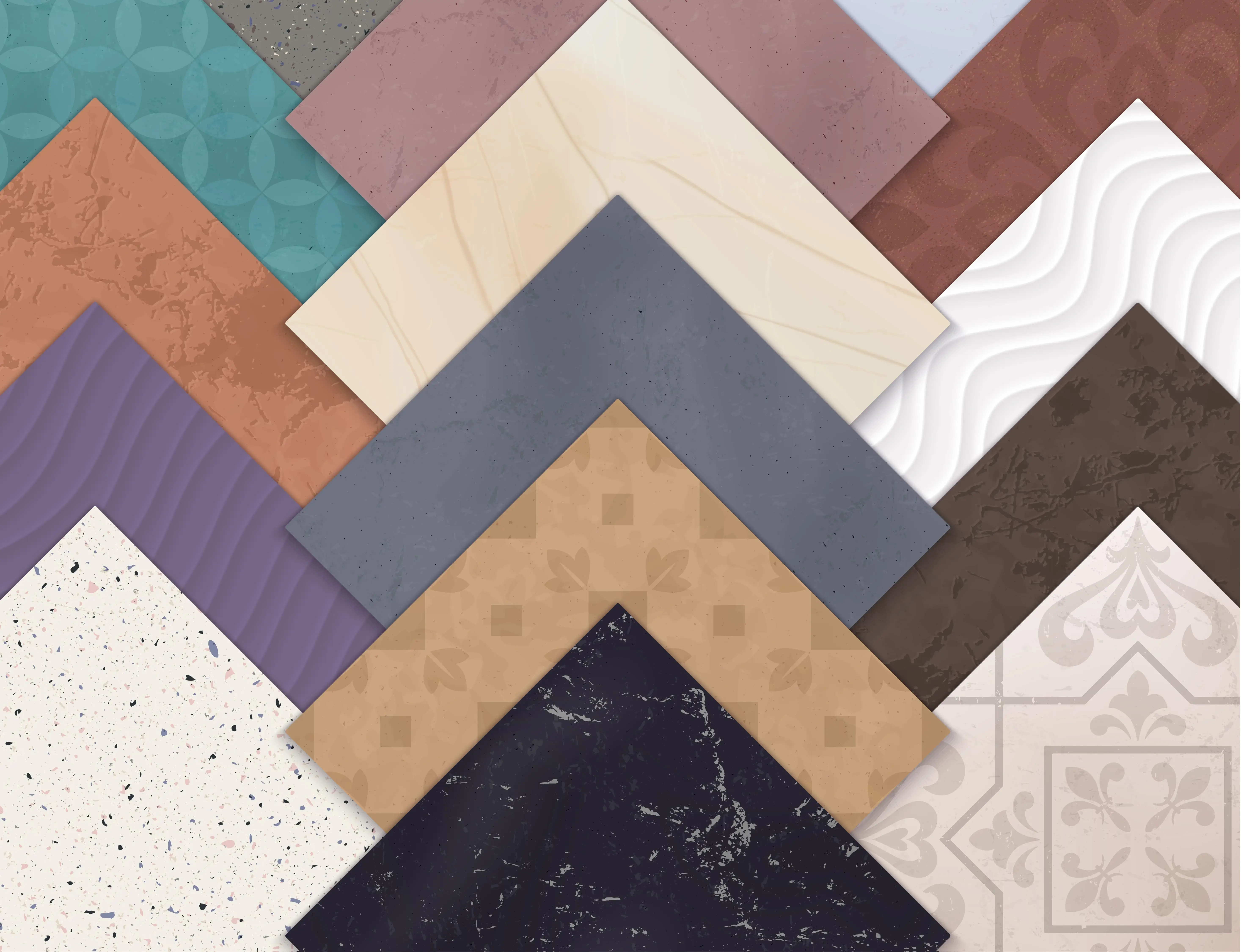
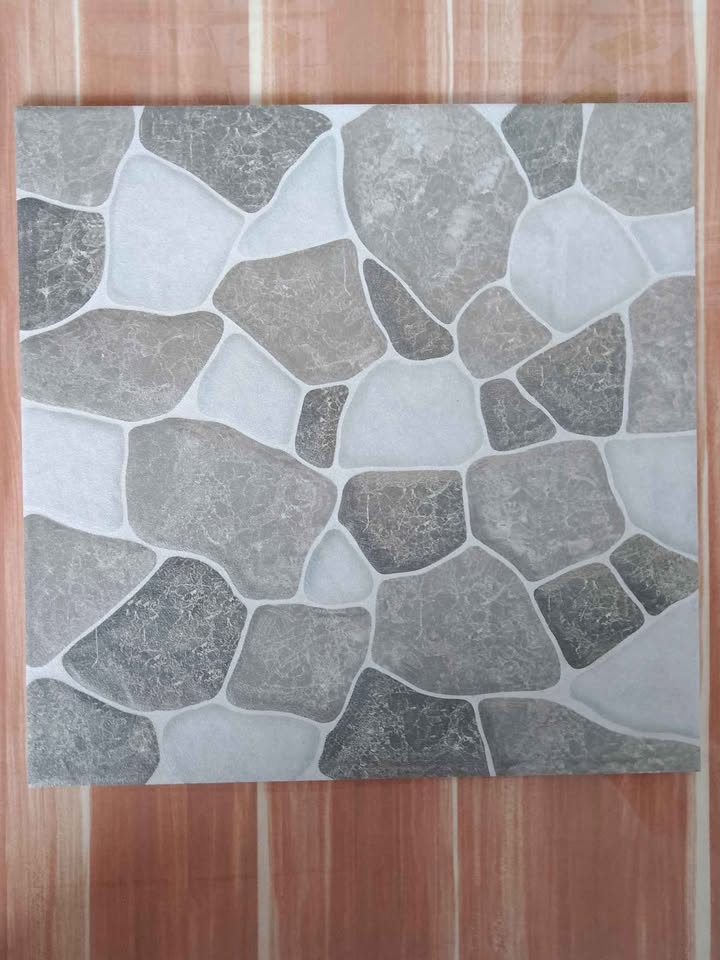
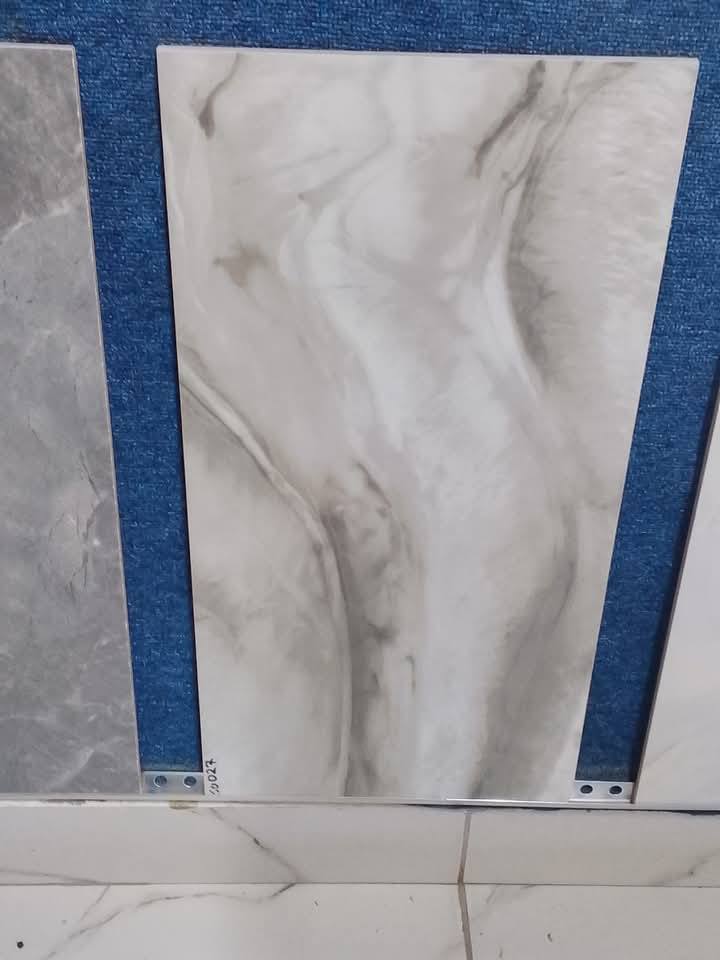
If you are building a home in Kenya, you have likely encountered conflicting advice. Your "fundi" (installer) might recommend ceramic tiles because they are affordable and easy to work with.
Meanwhile, your architect or a sales agent at a showroom might insist on porcelain for its durability. To make matters more confusing, many hardware stores use the terms interchangeably, labeling any shiny tile as "porcelain" even when it is not.
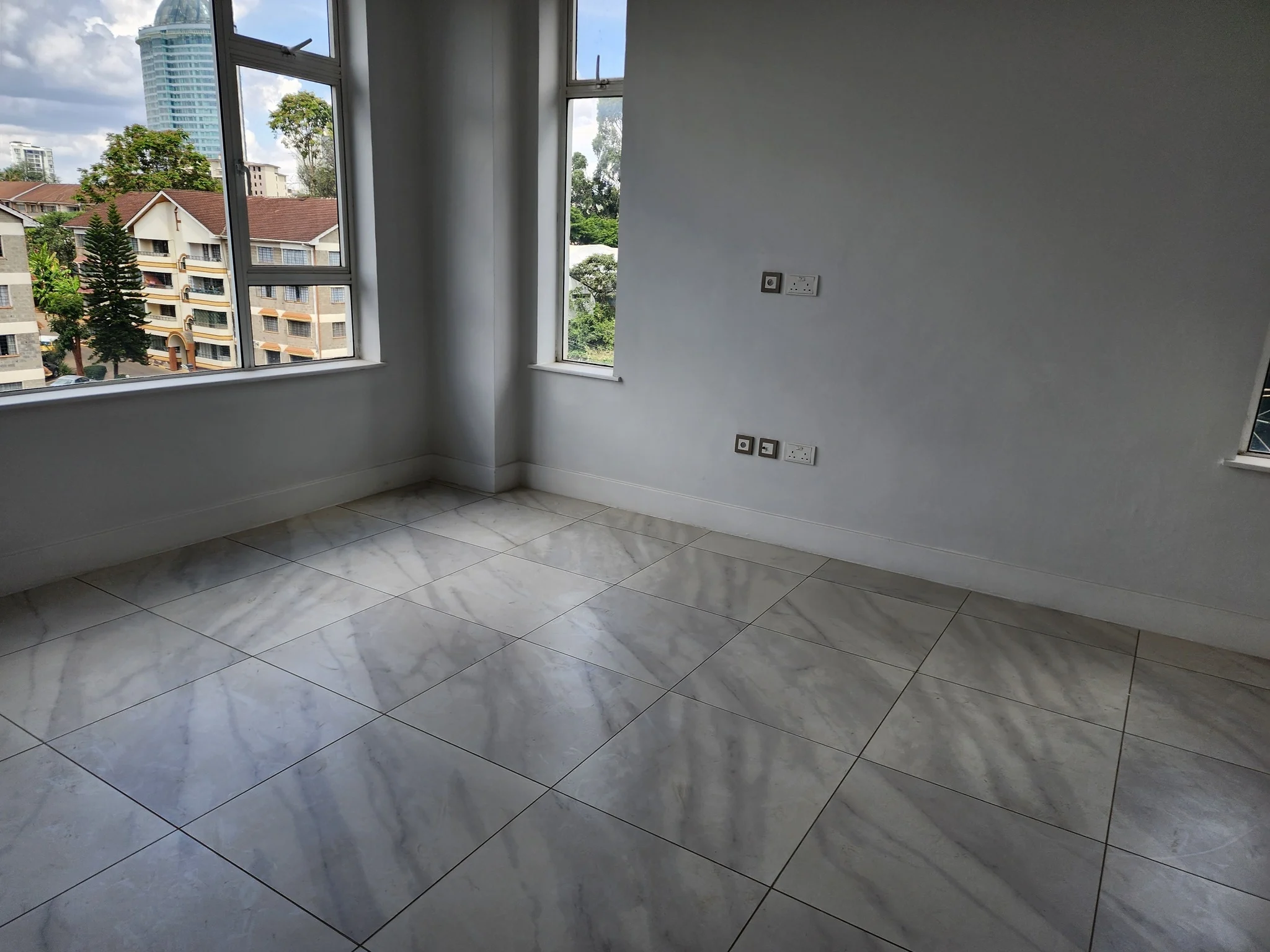
The truth is, ceramic and porcelain are distinct materials with different physical properties, installation requirements, and lifespans.
Choosing the wrong one for a specific area (like putting a soft ceramic tile in a high-traffic commercial hallway) will lead to cracks and wear within a few years.
This guide breaks down the technical and practical differences to help you decide if the extra cost for porcelain is a necessary investment for your project.
The Science: How Are They Made?
While both tiles are part of the larger ceramic family, they are manufactured using different ingredients and firing processes. This "baking" process determines their final strength.
What is Ceramic Tiles (The Red Body)
Ceramic tiles are typically made from a mixture of red, brown, or white clay. They are fired in a kiln at lower temperatures (around 1,000°C).
Because they are not cooked as hot, the clay body remains somewhat porous and softer. If you flip a standard ceramic tile over, you will usually see a red or brown clay backing.
What is Porcelain Tiles (The White Body)
Porcelain is made from a more refined mixture of white clay (kaolin), sand, and feldspar. These are fired at extremely high temperatures (up to 1,200°C or more).
This intense heat causes the materials to melt and fuse together into a glass-like state, a process called vitrification. The result is a tile that is denser, heavier, and significantly harder than ceramic. Real porcelain usually has a white or grey backing.
The "Fundi" Perspective: Installation Differences
One of the main reasons some local installers try to steer homeowners toward ceramic tiles is not just price (it is the difficulty of installation). Understanding this helps you manage your site supervision better.
Cutting Difficulty
Ceramic tiles are relatively soft. A tiler can easily score and snap them using a standard manual cutter.
Porcelain, being much harder, is difficult to cut. It often requires an electric wet saw or a high-quality manual cutter with a diamond blade. A "lazy" fundi may prefer ceramic simply because it involves less physical labor to install.
Bonding: The "Simiti" Trap
This is the most critical difference for Kenyan homeowners to understand.
- Ceramic Tiles: Because they are porous, they absorb water. This allows them to bond mechanically with a standard mixture of cement ("Simiti") and sand. This is cheap and effective.
- Porcelain Tiles: Because they are non-porous (glass-like), they cannot absorb water from the cement. If installed with plain cement, they will not bond. Over time, usually within 6 to 12 months, the tiles will "pop" or lift off the floor completely intact.
The Rule: You MUST use specialized Tile Adhesive (like Savannah, Sika, or similar) when installing porcelain. This chemical bonding agent acts like a superglue. While adhesive costs more than cement, skipping it is the primary cause of tiling failures in Nairobi.
The Water Absorption Test: Durability in the Kenyan Climate
The technical definition of porcelain is based on water absorption. To be classified as true porcelain, a tile must have a water absorption rate of 0.5% or less. Ceramic tiles, by comparison, absorb significantly more water.
This difference matters for two specific reasons in the local context:
- Stain Resistance: In areas with red soil (like Kiambu or Kajiado), dust can penetrate the microscopic pores of a ceramic tile if the glaze is chipped or worn down. Once the red dust gets into the body of the tile, the stain is permanent. Porcelain is so dense that it is virtually impervious to staining, even if the surface is scratched.
- Outdoor Performance: Ceramic tiles should generally not be used outdoors. If water seeps into the porous clay body and the temperature drops significantly (common in high-altitude areas like Limuru or during Nairobi's cold season), the expansion and contraction can cause the tile to crack. Porcelain is frost-proof and handles these thermal changes without structural failure.
Where to Use Which? A Room-by-Room Guide
You do not need to tile your entire house with expensive porcelain to get a high-quality finish. Smart developers use a mix of materials to balance budget and performance. Here is where we recommend using each:
When to Save Money (Use Ceramic)
Bedrooms: Foot traffic in bedrooms is low, and usually barefoot or in soft slippers. A good quality ceramic wood-effect plank or standard 40x40 ceramic tile is perfectly adequate here.
Wall Cladding: There is almost no functional benefit to putting porcelain on bathroom or kitchen walls. Walls do not bear weight or foot traffic. Standard ceramic tiles are lighter, cheaper, and easier to install on vertical surfaces.
When to Invest (Use Porcelain)
Living Rooms & Corridors: These are high-traffic zones. Furniture is dragged across the floor, and people walk in with shoes that may have small stones stuck in the tread. Porcelain resists this abrasion much better than ceramic.
Kitchen Floors: Kitchens face heavy dropped items (like sufurias) and hot oil spills. A full-body porcelain tile is much less likely to chip if a heavy pot falls on it compared to a ceramic tile.
Commercial Spaces & Outdoors: For shops, offices, parking areas, or driveways, you must use heavy-duty porcelain. Ceramic tiles will eventually crack under the weight of vehicles or constant commercial footfall.
Is Porcelain Worth the Extra Cost? (2025 Pricing)
Porcelain generally costs 50% to 100% more than ceramic. While this increases the upfront construction budget, the long-term value lies in longevity. A ceramic floor in a busy living room may start showing "wear paths" or chips after 5-7 years, whereas a porcelain floor can last 20+ years without degrading.
| Feature | Ceramic Tile | Porcelain Tile |
|---|---|---|
| Market Price (Per Sqm) | Ksh 850 - Ksh 1,200 | Ksh 1,500 - Ksh 2,800 |
| Lifespan (High Traffic) | 5 - 10 Years | 20+ Years |
| Installation Cost | Lower (Uses Cement) | Higher (Needs Adhesive) |
| Water Resistance | Good (Glazed surface only) | Excellent (Full body) |
How to Spot a Fake: The Buyer's Guide
In the Nairobi market, some unscrupulous traders sell "Semi-Porcelain" or high-quality ceramic as "Full Porcelain" to charge a premium prices. Here are three simple checks you can do in the shop to ensure you are buying the real thing:
- The Side View: Look at the unglazed edge of the tile. If the body is red, brown, or tan, it is likely ceramic. True porcelain usually has a white, grey, or cream body color that is consistent throughout.
- The Weight Test: Pick up the tile. Porcelain is significantly denser and heavier than a ceramic tile of the same size.
- The Water Drop Test: Flip the tile over and pour a small drop of water on the unglazed back. On a ceramic tile, you will see the water darken the clay and soak in within a minute. On a true porcelain tile, the water droplet will sit on the surface and not be absorbed.
Conclusion
Choosing between ceramic and porcelain comes down to the specific needs of the room and your budget. For walls and low-traffic bedrooms, ceramic offers excellent value and aesthetics. For living rooms, kitchens, and outdoor areas, the durability of porcelain is worth the extra investment in materials and adhesive.
At Tiles Market, we clearly label all our inventory so you know exactly what you are buying. Whether you need an economy ceramic solution or a premium porcelain finish, we have the right stock for your project.